How to read trading bot reviews
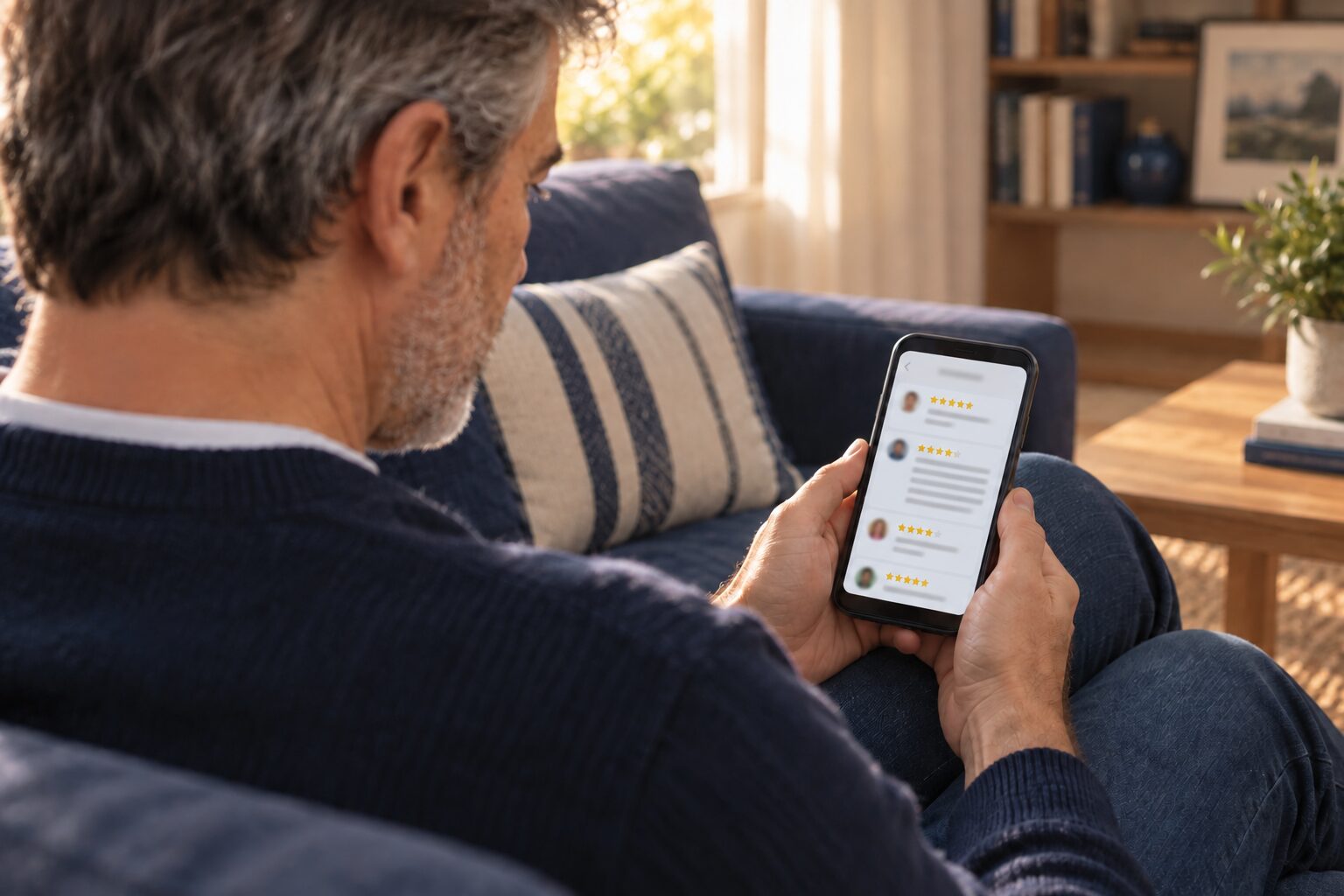
Reviews of a trading robot are just one more data point to consider, not a definitive answer on whether you should use it. They can tell you about someone else's experience with the setup, support, or team communication. What they cannot tell you is whether it will work for you specifically, because that depends on factors that vary from person to person: capital, risk tolerance, and market conditions at the time you start trading.
A review describes an experience, it does not guarantee yours
A well-written review can be useful for understanding specific, verifiable aspects: whether the initial setup was complicated, if support responded on time, if the team's communication was clear regarding a specific question, or how long it took to resolve a technical issue. This type of information is valuable because it describes a process-based experience, which depends less on market luck and more on how the service is structured.
What no review, however sincere, can offer you is a guarantee of your own results. The market does not behave the same way every month, and what worked for someone else during a specific period says nothing certain about what will happen to you when starting at a different time, with different capital, and a risk tolerance that is yours alone, not the person who wrote the review. To understand in greater depth what risks exist beyond what reviews might say, check out the risks of automated trading.
This distinction, between what a review describes and what it guarantees, is more important than it seems at first glance. Someone might write in good faith that "it worked very well" referring exclusively to how easy it was to set up the account, and that phrase could be read—without that being the author's intention—as if they were talking about the financial results of their account. Separating the two when reading any review prevents you from drawing conclusions that the person who wrote it never intended to convey.
Signs that a review is unreliable
There are patterns that repeat in unreliable reviews that are worth recognizing before giving them weight in any decision:
- Profit screenshots without context. No time frame, no account size, no mention of the risk taken; an isolated figure says nothing about whether that profit was representative or a one-time exception.
- Testimonials without verifiable data. No name, no location, no actual time spent using the service.
- Suspicious uniformity. A set of reviews that are all perfect, without any nuance or negative comments.
- Temporal concentration. Reviews that all appear within a very short period, without any distribution over time, which may indicate a targeted campaign rather than the accumulated experience of real users.
A serious provider does not need to hide the nuances. The total absence of comments about complicated setup, wait times, or initial questions usually does not mean the service is perfect, but rather that negative or simply neutral opinions are not being shown anywhere visible on the site. None of these signs, on its own, confirms that a service is unreliable; however, it is advisable to treat them as a reason to investigate a little further before deciding, rather than as an automatic verdict. Recognizing these patterns is part of what is needed to identify unreliable offers in general, a topic we develop in more detail in how to detect a trading scam.
Why does the responsibility to inform yourself remain yours?
Neither the best review nor the worst exempts you from the responsibility of informing yourself before connecting any system to your account. Reading others' opinions is a useful step, but it is only one of several, and not the most important one. Understanding how the service works, what risks are involved in trading in the market it operates in, and how much capital you are willing to risk are decisions that depend on you, not on what someone else has written in a review, no matter how detailed or convincing it may seem.
This is not a way to diminish the value of others' opinions, but to place them where they belong: as one more input, useful for getting a general idea, but not a substitute for understanding the service yourself or for assuming that any decision about your capital, made with good or bad information, remains your decision. No one else can assume that risk for you, no matter how many positive reviews exist, and no amount of favorable reviews changes the fact that trading in Forex carries the real possibility of losing capital.
What reviews can't replace
Reviews of a trading bot can help you understand the practical experience of using it, but they don't replace your responsibility to inform yourself about the risks or to decide, based on your own judgment, how much capital you are willing to risk. Reading them while paying attention to signs of reliability is a good starting point, not the end of the road. Ultimately, the question that matters isn't how many stars or what rating a service has, but whether you understood enough to make an informed decision.
Latest insights and trends
How to read trading bot reviews

Bots para Forex: cómo operan en el mercado de divisas

Automated trading: what it is and what it isn't

How to build a trading bot and why almost no one succeeds

Automated trading systems explained from scratch

Free trading bots: what's behind the zero-cost price tag


Ready to transform your trading?