How to spot a Forex trading scam
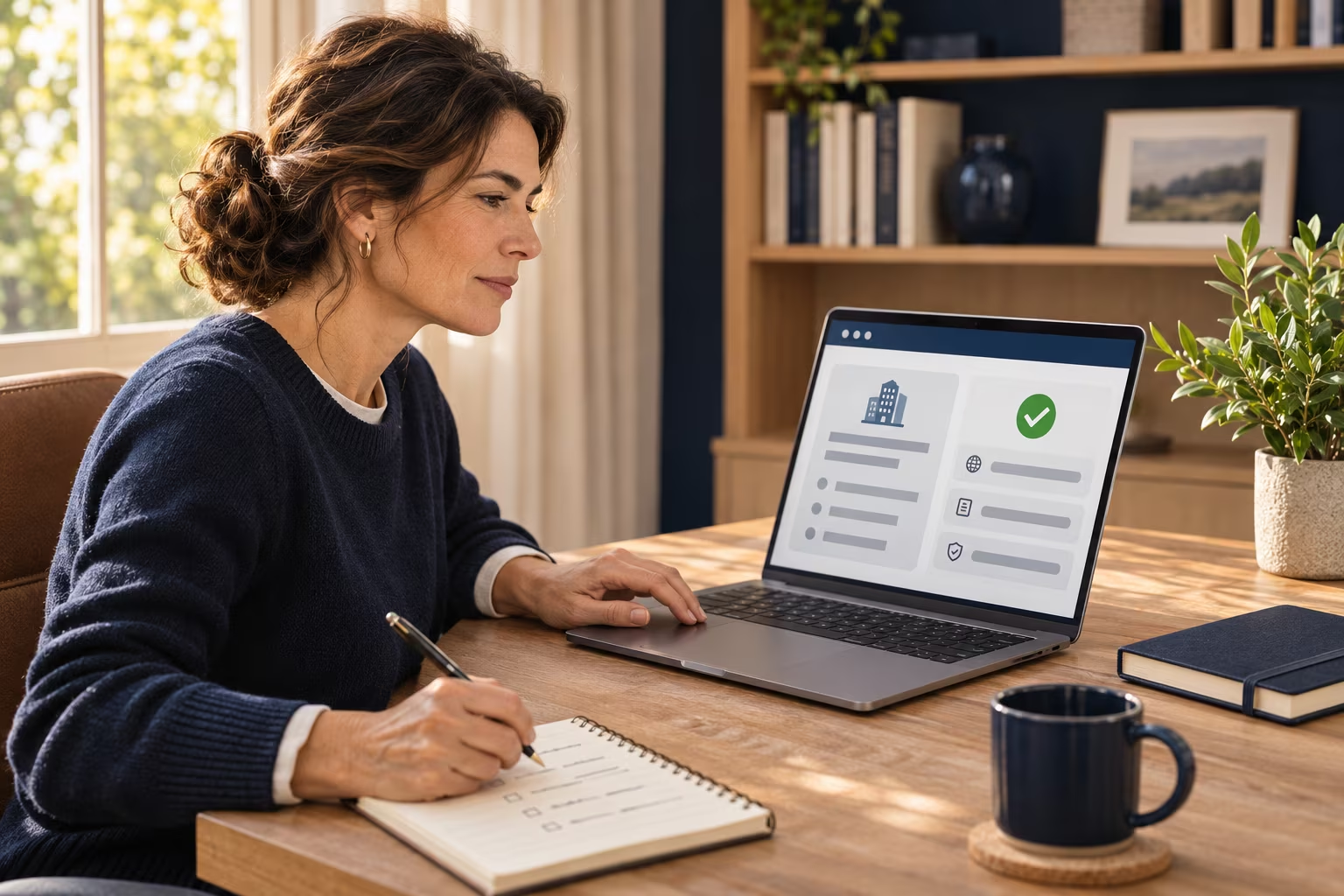
The most reliable way to detect a Forex trading scam is to check two things before depositing. First, whether the money is going into an account in your name at an authorized institution. Second, whether anyone is promising you profits. If the money is going elsewhere or there is a promise of returns, the risk of fraud is high, no matter how professional the website may look.
We cover the general red flags for any automated service, such as conditional withdrawals or pressure to deposit, in our guide on whether automated trading is safe.
The most common types of Forex trading scams
The CNMV, the Spanish regulator, describes several types of financial fraud. These six are common in currency trading:
The last one deserves special attention. Anyone who has already lost money is the preferred target for a second scam because they are in a hurry to recover it. Fake profiles and reviews are another common tool used in these frauds, and we explain how to distinguish them in our guide on which trading robot reviews are trustworthy.
How to check if an entity is authorized in five minutes
Before depositing with any broker or platform, follow these steps in order:
- Note the exact legal name. The company's name, not the brand name, along with its website domain.
- Search for it in the official CNMV registries. A broker offering investment services to clients in Spain must be authorized.
- Check the CNMV warnings. The regulator publishes lists of unauthorized entities, known as "financial boiler rooms."
- Compare the data point by point. The domain, address, phone number, and registration number must match the official ones. A single discrepancy can indicate identity theft.
- If you have doubts, call. The CNMV Investor Assistance phone number is 900 535 015.
There are two facts that help rule out fraud instantly. The CNMV never contacts potential victims directly and never invites anyone to invest. Any call or message using their name for that purpose is fake.
An entity being authorized is the minimum filter and does not guarantee results.
What those who arrive after a scam have to say
Many new members joining the Boosty Telegram channel come from a bad previous experience. Almost all of them fit one of these two profiles:
- Those who wanted to never lose. They trusted a service that promised risk-free profits, and that promise was precisely the bait.
- Those who started without any knowledge. They didn't know what to ask or what to check, and had no way of distinguishing a legitimate offer from a scam.
Anyone can start trading, which is why you must accept from day one that there are no guaranteed results in the markets. No legitimate service will guarantee that you won't lose money. What they can offer is transparency regarding where your money is. At Boosty, for example, your deposit never leaves your broker account, and you can withdraw the full amount whenever you want, regardless of whether you've made a profit or not, without paying any fees.
What should you do if you have already deposited money into a scam?
If you suspect you have fallen victim to fraud, the order of steps matters:
- Stop sending money. Do not pay commissions, taxes, or "release fees" to withdraw what you have already deposited.
- Cut off access. Do not share passwords and uninstall any remote access software they asked you to install.
- Save the evidence. Screenshots, emails, messages, transfer receipts, and the names of the people you spoke with.
- Notify your bank. The sooner you do this, the better the chances of blocking pending transactions.
- File a report. Go to the police or the courts, and report the case to the financial regulatory authority.
- Be wary of anyone offering to recover your money. If they ask you to pay upfront, it is another scam.
Recovering money from a scam is difficult, and no one can guarantee it. That is why due diligence is worth far more than any subsequent claim.
Three checks to spot a Forex trading scam
Almost all scams fail at least one of these three tests:
- Your money goes into an account in your name at an institution that appears in the CNMV registries.
- No one promises profitability, neither monthly percentages nor guaranteed results.
- You can withdraw without conditions, without paying anything upfront to receive what is yours.
If an offer doesn't pass all three, do not deposit. And if you want to know what legal protection you have depending on where your broker is regulated, we explain it in what Spanish law covers when trading currencies.
Latest insights and trends
How safe is it to invest in Forex? Market risks

How to spot a Forex trading scam
How to use AI for trading without technical knowledge


What is a trading bot? Definition and how it works

Is automated trading safe? Risks and limitations

AI trading and IA trading: the same concept in two languages
How to read trading bot reviews

Bots para Forex: cómo operan en el mercado de divisas
Automated trading: what it is and what it isn't

How to build a trading bot and why almost no one succeeds

Automated trading systems explained from scratch

Free trading bots: what's behind the zero-cost price tag


Ready to transform your trading?